
Product Matrix

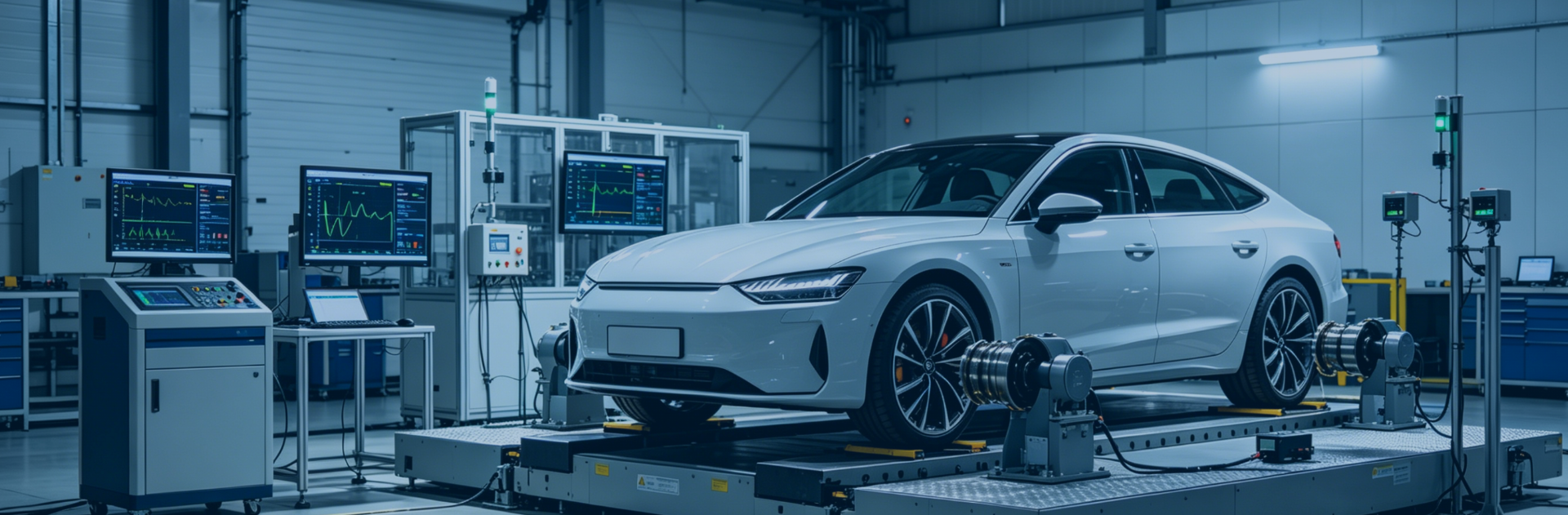
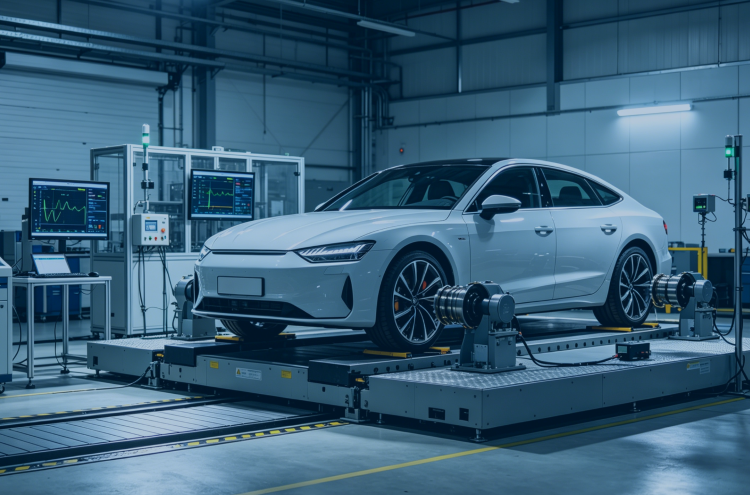
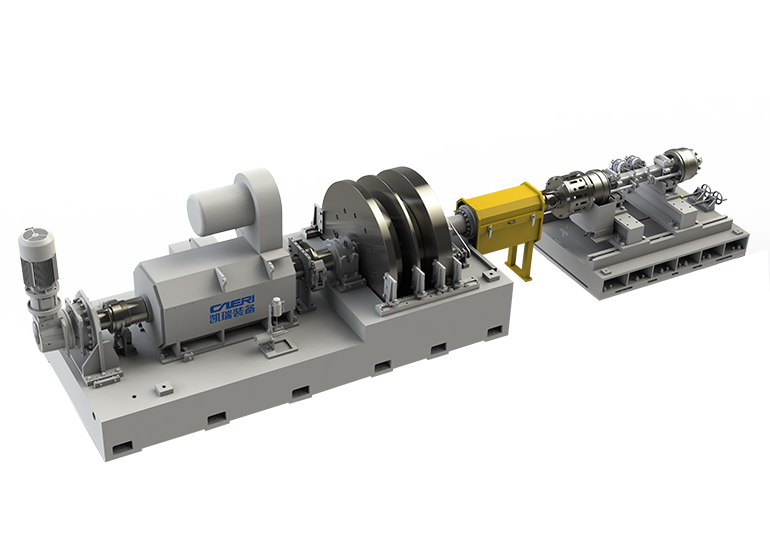
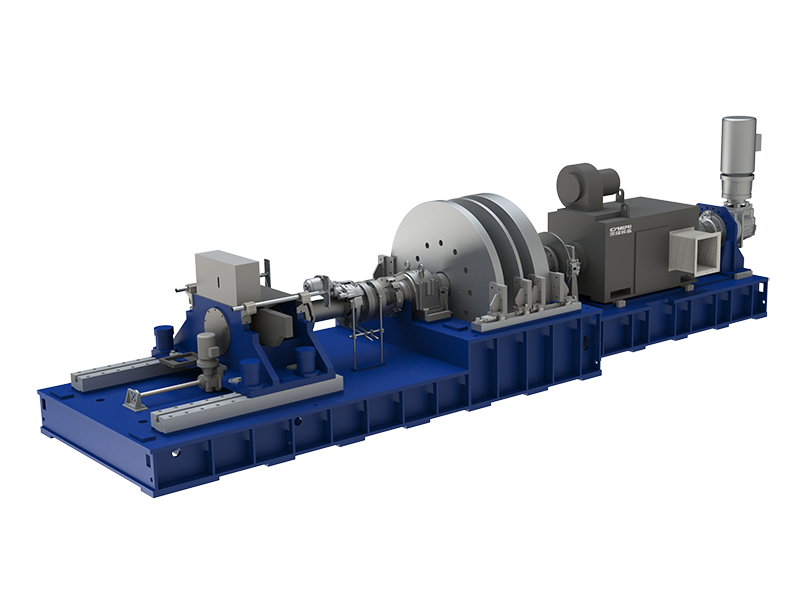
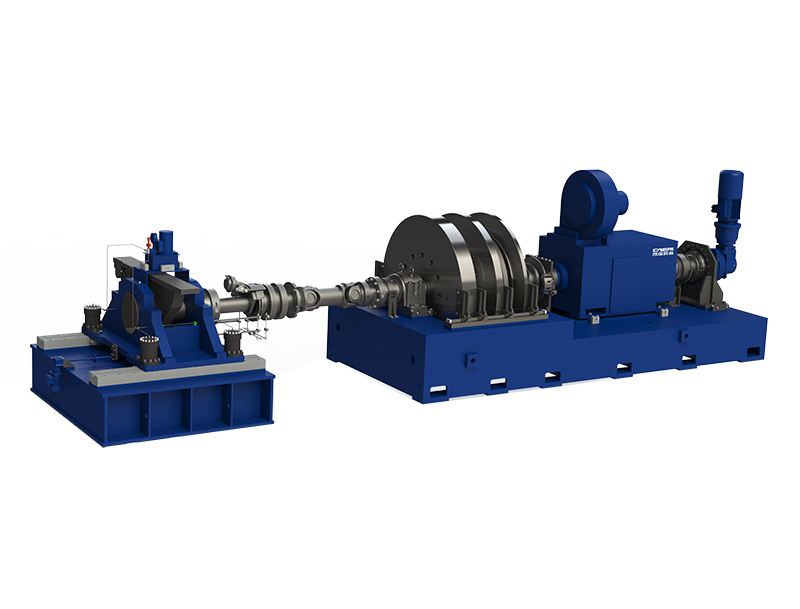
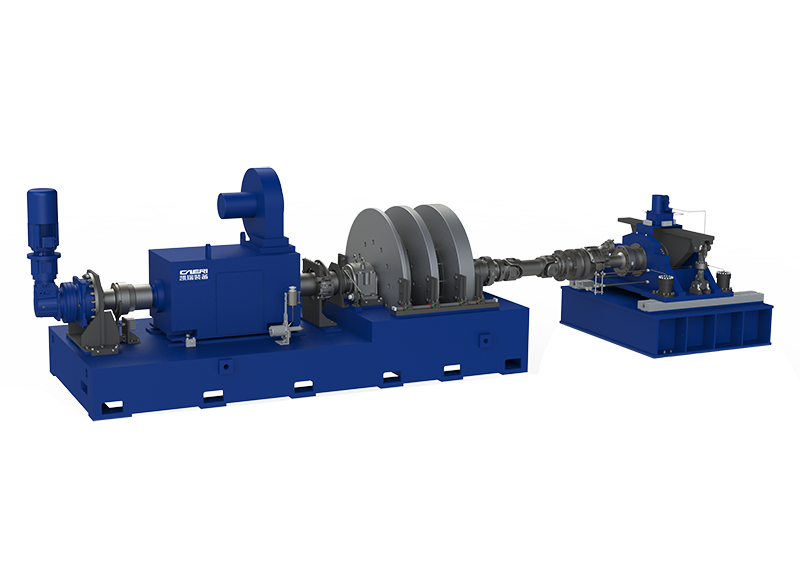
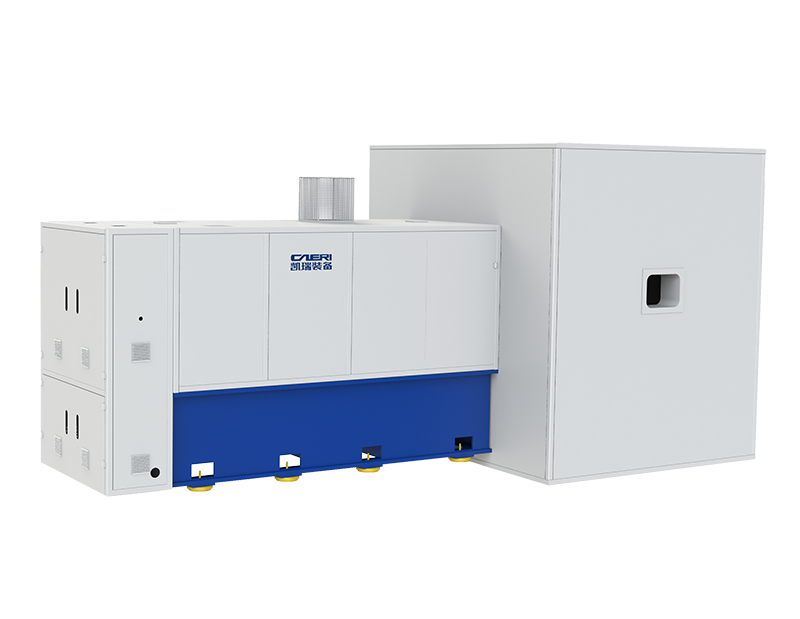
 Main test contents
Through multiple cycles of braking, the friction surfaces are made to fully adhere to each other, ensuring the stability of the subsequent test data.
Under different initial speeds and pressures, test the braking efficiency and friction coefficient, and evaluate the braking performance.
Continuous braking simulation is carried out under high-temperature conditions to evaluate the stability of friction performance and the recovery ability after cooling.
By conducting long-term continuous braking tests to simulate the lifespan of the parts, the wear of the friction materials is measured, and their wear resistance and service life are evaluated.
Simulate the parking condition and test the maximum locking capacity and reliability of the brake in a stationary state.
Keep spraying water on the brakes and assess the extent of damage to the braking performance in a humid environment.
By measuring the thickness differences at various points of the brake disc, the risk of brake jitter and the stability of the geometric accuracy of the parts can be evaluated.
Measure the axial runout during the rotation of the brake disc to assess its dynamic balance and the risk of pulsation in the brake pedal.
Identify abnormal vibrations and noises (such as sharp sounds) generated during the braking process, and evaluate their comfort indicators.
产品特点It adopts an independently developed closed-loop controller, which has complete independent intellectual property rights. It can achieve the constant pressure, constant torque and constant deceleration control as stipulated by various industry standards. It also adopts an independently developed electrical inertia simulation technology, which enables the continuous adjustment of the required test inertia. The mode range is 5 to 250 kg・m², and the accuracy is 1% of the target inertia.
Ethernet bus control ensures the real-time nature of data transmission and the reliability of equipment operation; it also features complete security protection and safety interlock functions, as well as comprehensive fault alarm capabilities, ensuring safe operation.
By using the electrical inertia simulation technology, only a small number of mechanical flywheels are required, reducing the physical labor work involved in replacing the flywheels; equipped with a wireless handle, multiple functions can be completed on the handle, making it convenient for users to operate the test bench; the maintenance requirements for the components are low and they are excellent and reliable.
The fully self-developed Chinese-language control and measurement software - the Brake Key Components and Assembly Test System Software V1.0 is equipped with intelligent human-computer interaction and flexible test execution capabilities. It uses the MS-Excel automatic reporting tool to automatically traverse, analyze data, and generate customized test reports. It adopts advanced database management and interval storage strategies (TDMS format), supporting data playback, historical query, and automatic data saving under power failure protection (UPS), enabling massive data management throughout the product's entire life cycle.
Technical Specifications| Project | Parameters |
| Main motor power | 400kW |
| Main motor speed | 15~1300r/min |
| Static torque motor power | 11kW |
| Static torque of the motor | 35000Nm |
| Inertia simulation range | 300~3000kg.m² |
| Inertial simulation accuracy | 1% 目标惯量 1% of target inertia |
| Brake pressure control range | 0~1.6MPa |
| Brake pressure control accuracy | ≤±1%FS |
| Brake torque control range | 0~4000Nm |
| Brake torque control accuracy | ≤±1%FS |
| Brake temperature measurement range | 0~1000℃ |
| Brake temperature measurement accuracy | 0~375℃,±1.5℃; 375~1000℃,±0.4%·T |
| Range of cooling air velocity at normal temperature | 0~15m/s |
| Maximum air volume of ambient temperature cooling air flow | 10000m³/h |
| BBP-3000WEC Exclusive cooling air temperature range | -40℃~60℃ |
| BBP-3000WEC Exclusive cooling wind humidity range | 5~95RH% |
| Module / Function | Standard type | Enhanced configuration type |
| Sprinkler | No | 0~10L/min |
| Parking brake cable | No | Cable tension: 2.5 kN; Cable displacement: 0 - 150 mm |
| DTV | No | Range 1.000mm;Precision ±0.00125mm |
| EMB Brake | No | Power module 80V/200A |
Applicable standards