
Product Matrix

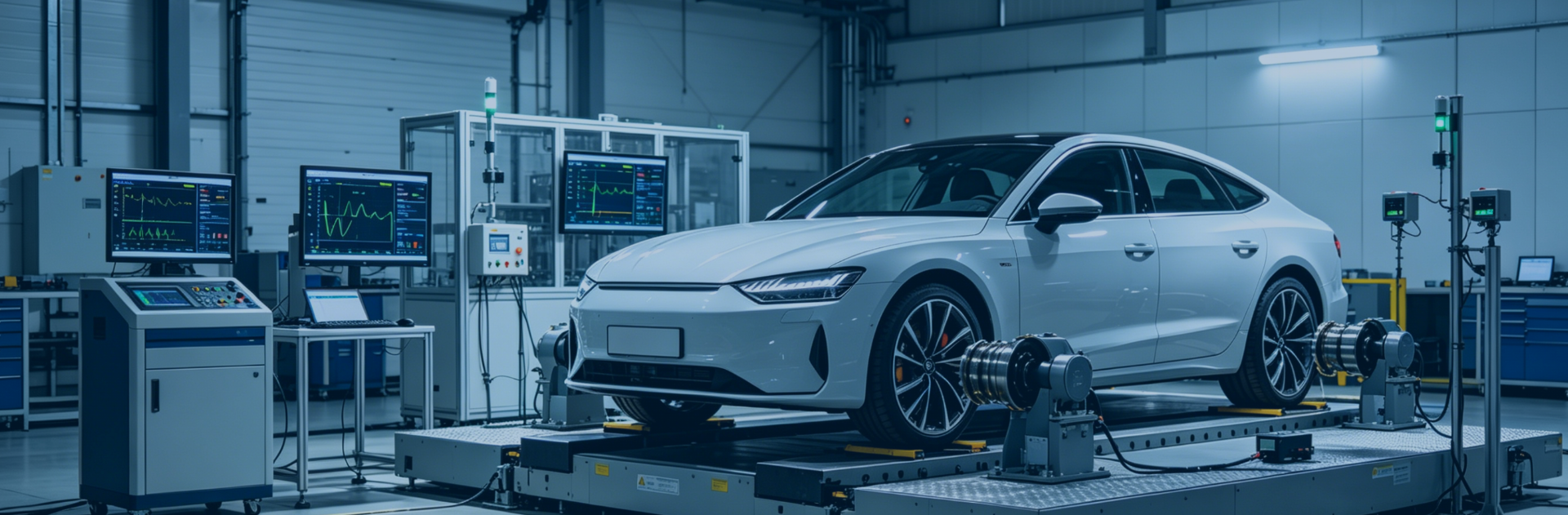
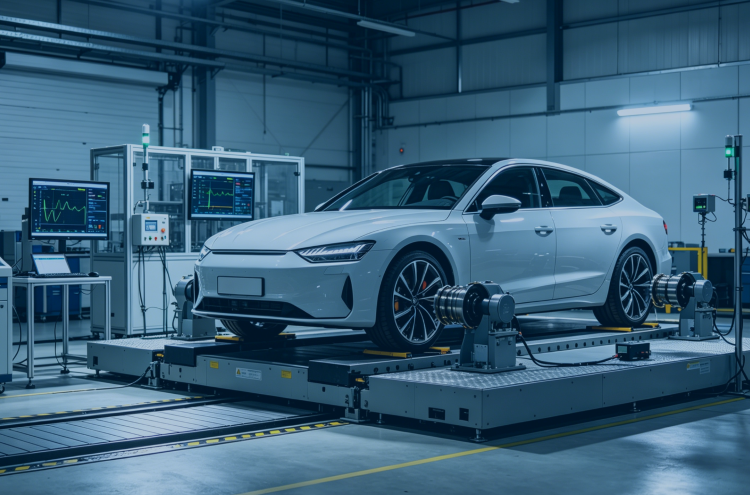
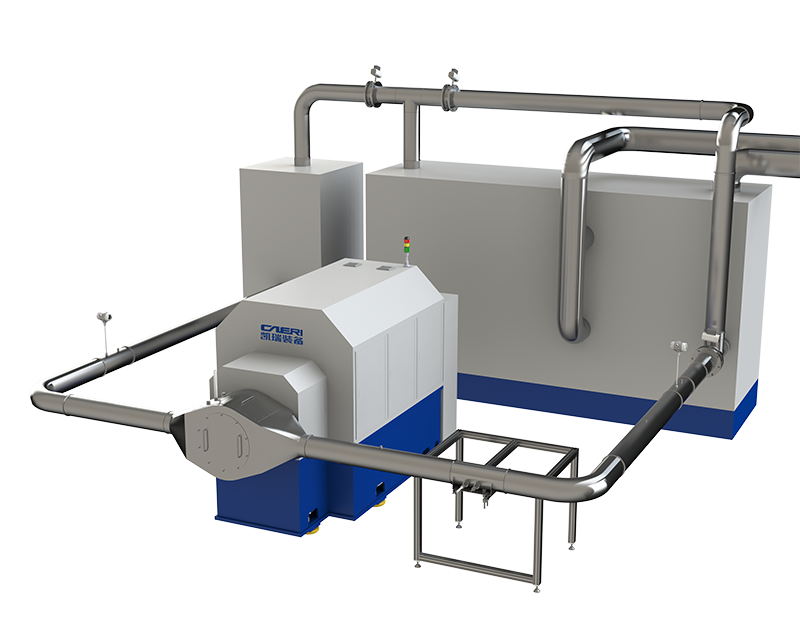
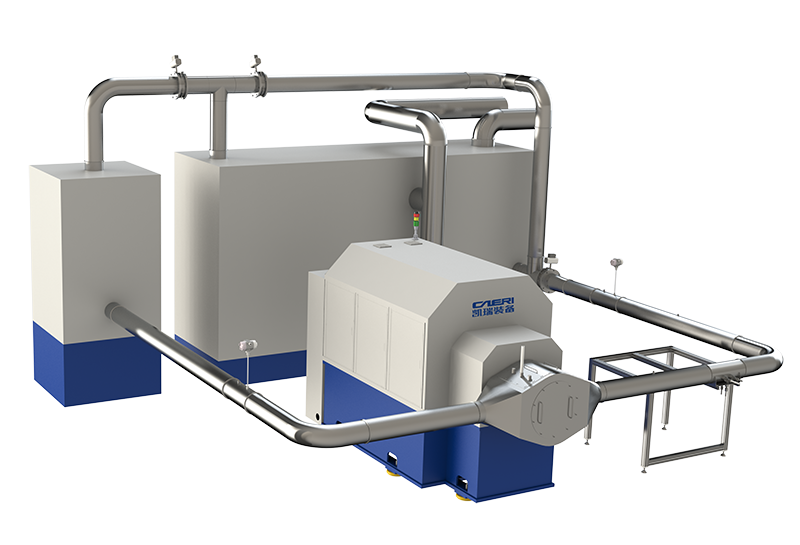
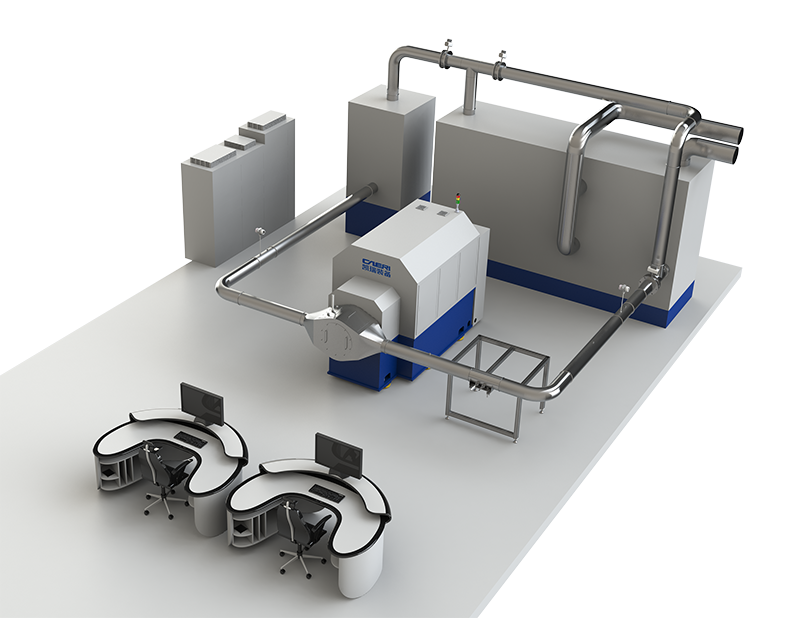
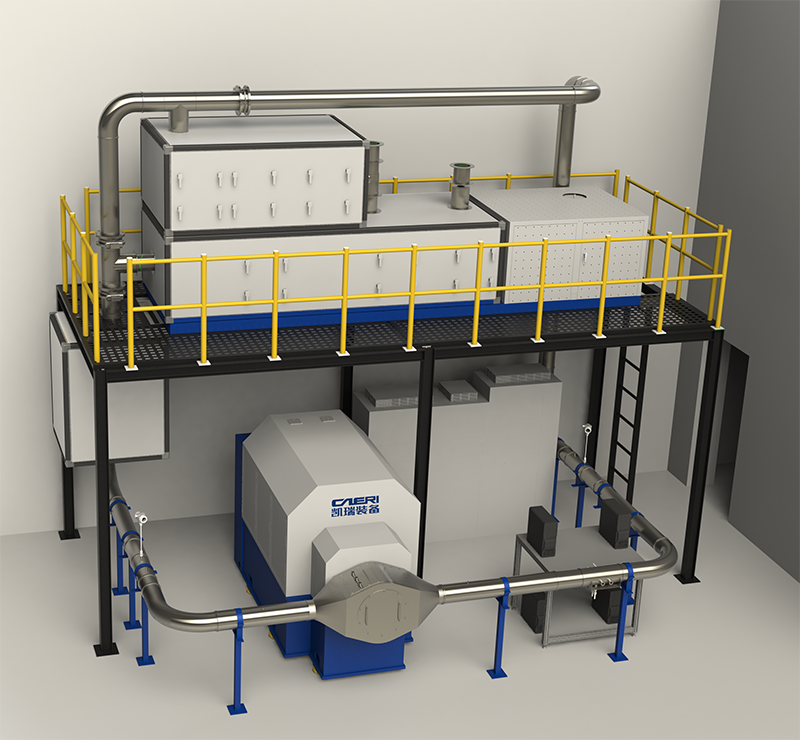
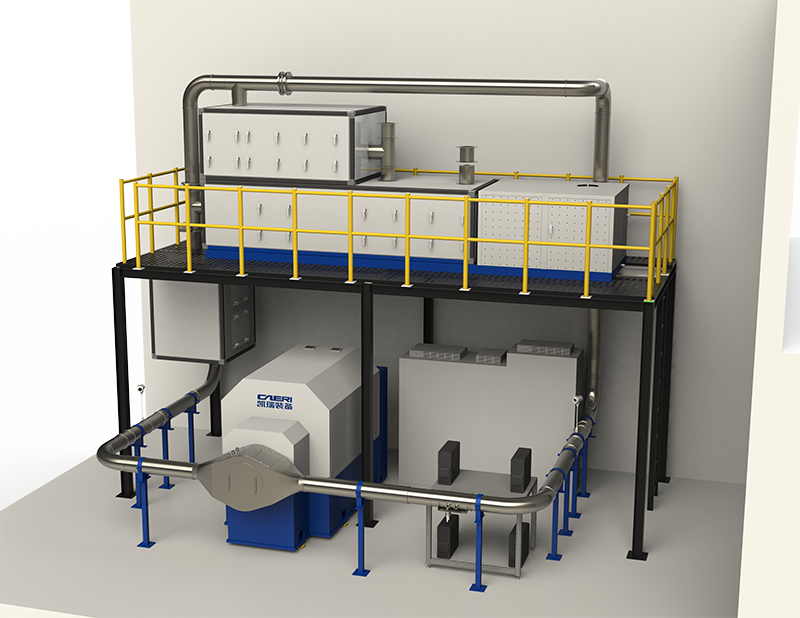
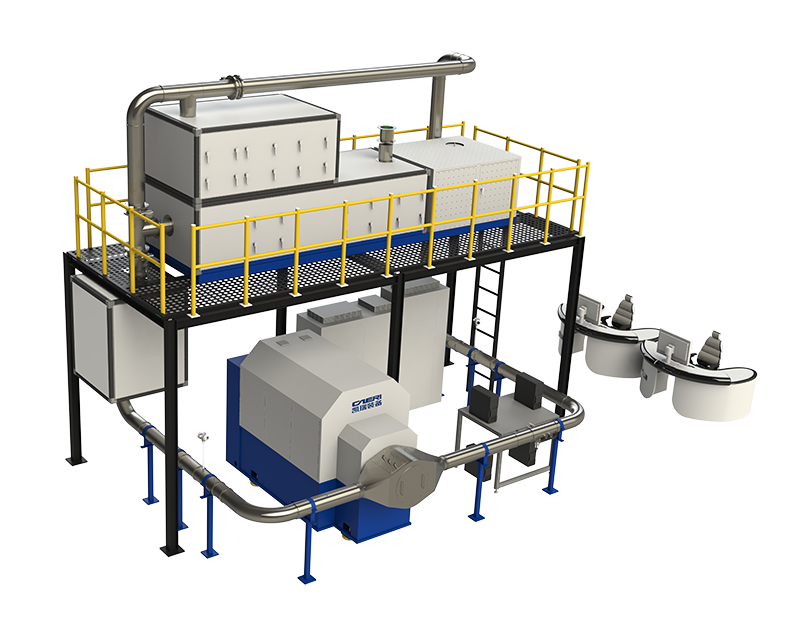
The brake emission test bench is suitable for the PM/PN detection of particulate matter emitted by the brakes of light vehicles, in order to meet the regulatory requirements for vehicle emissions as stipulated by Euro 7 and national standards. This test bench can precisely simulate various braking cycle conditions. Through a dedicated particle collection system and corresponding measurement system, it automatically measures the mass and quantity of particles generated by the friction of the brake. The test bench has a compact structure, optimal site layout, adjustable power and temperature/humidity range, and high operational convenience.
Function: A high dynamic and high precision electrical inertia simulation dynamometer that covers various braking conditions (such as WLTP-Brake Cycle), meeting the high precision control characteristics of UN/GTR standard vehicles under low speed and low torque; The particulate matter sampling environment device is designed according to UN/GTR standards, precisely controlling the requirements for air flow, temperature and humidity environment; The brake emission particulate matter measurement system uses the world's most advanced equipment, accurately measuring particulate mass (PM10 and PM2.5) and particulate quantity (SPN and TPN), and can automatically generate reports.
Test item: Brake Emission Test Cycle (WLTP-Brake Cycle)
Solution: Through the UN GTR emission test, measure the quantity of brake wear particles in the braking system of light vehicles.
 Features and Advantages
The test bench can simulate the equivalent inertia and speed of a vehicle to a single brake, and can perform constant-pressure and constant-torque braking on the brake, thereby simulating the braking process of the brake on a real vehicle.
The particle emissions generated during the braking operation of light vehicles can be measured completely in accordance with the testing methods stipulated in the UN GTR regulations. By equipping with a stable solid particle counting device, it is possible to cover the measurement of pollutants such as PM2.5, PM10, SPN10 and TPN10.
The platform is equipped with a stable particulate matter sampling and measurement system, with repeatable loading conditions and controllable environmental parameters. It enables quantitative research with good repeatability.
Drawable time - Relationship curve between vehicle speed and time, and determine whether the test bench experiences stalling or overspeeding. During the entire test process, the speed deviation is controlled within ±2 km/h, with the number of deviations not exceeding 475 times and not exceeding 3% of the total test duration.
It is equipped with a stable fresh air system, capable of providing a constant air volume (300 - 1500 m³/h) in accordance with the UN-GTR standard, as well as maintaining a stable temperature (23 ± 2℃) and humidity (50% ± 5% RH), equivalent to simulating the working conditions stipulated by the regulations.
It is equipped with a dedicated brake housing, sampling tube, constant-speed nozzle and ultrasonic flowmeter, meeting the requirements of UN-GTR for the stability of air velocity in the brake housing and the Reynolds number of the airflow.
It has a simple and convenient software interface. According to the WLTC-Brake cycle parameters, it automatically runs in accordance with the preset steps and tests out the test data such as vehicle speed, actual simulated inertia, braking pressure, braking torque, braking temperature, braking time, braking deceleration, and braking distance, and draws the relevant test curves.
Technical Specifications| Parameter Name | Parameters |
| Drive power [kW] | 200 |
| Electrical inertia simulation range[kg・m²] | 30~199 |
| Simulated wheel radius[m] | 0.29~0.40 |
| Speed control range[rpm] | 15~2000 |
| Speed control accuracy[rpm] | ±1 |
| Hydraulic control range[MPa] | 0.1~8 |
| Hydraulic measurement accuracy | ±0.1% |
| Torque measurement range[N・m] | 0~2000 |
| Torque measurement accuracy | ±0.2% |
| Temperature measurement range[°C] | 0~800 |
| Temperature measurement accuracy | 0.5 grade 0.5 level |
Reference standard